Pure and Secure: The Importance of Investing in Water Purification Systems
Access to clean water is a pressing global issue. Polluted water sources present serious health hazards, especially for at-risk populations. Reliable water treatment solutions can reduce these risks. Nevertheless, comprehending different methodologies and their effects is crucial. Funding these technologies both improves community wellness and promotes financial development alongside ecological balance. The inquiry stands: what approaches allow communities to ideally evaluate and integrate these critical systems for peak advantage?
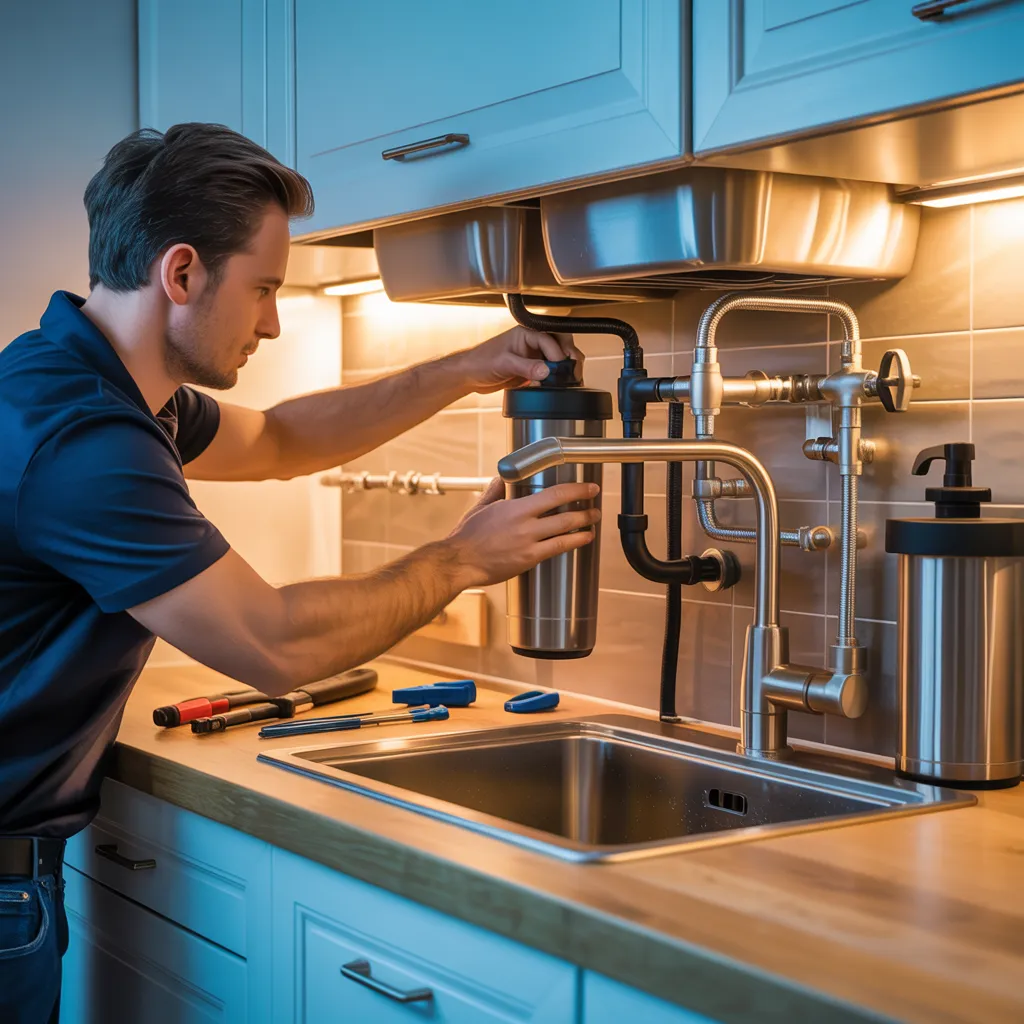
Why Clean Water Is a Global Priority
Access to clean water is essential for human health, environmental protection, and economic growth, establishing its availability as a visit this page worldwide priority. Clean water access ensures that people can copyright adequate sanitation, minimize disease transmission, and enhance overall health. Furthermore, it serves a critical function in farming efficiency, bolstering food security and sustaining livelihoods globally.
Environmental sustainability also copyrights on clean water; it protects ecosystems, sustains biodiversity, and secures the durability of natural resources. Insufficient access to clean water can lead to severe ecological degradation, damaging both land and aquatic habitats.
In economic terms, nations that have dependable clean water access enjoy enhanced productivity and reduced healthcare costs, fostering a thriving workforce. Investment in water purification systems not only tackles urgent needs but also supports long-term stability and growth. Consequently, prioritizing clean water access is vital for the development of societies worldwide, aligning with sustainable development goals and enhancing quality of life for all.
Medical Risks Connected to Contaminated Water and Poor Purification
The availability of clean water extends far beyond convenience; it directly influences public health. Impure water sources pose major health threats, including the likely distribution of waterborne diseases such as cholera, dysentery, and typhoid fever. These illnesses disproportionately affect vulnerable populations, primarily children and the elderly, resulting in severe health complications and even death. Ineffective purification systems can be unable to remove harmful pathogens and toxins, producing chronic health issues, including gastrointestinal disorders and sustained contact with heavy metals. Additionally, contaminated water can exacerbate existing health disparities, generating a cycle of illness and poverty. Communities dependent on unsafe water sources often face increased healthcare costs, loss of productivity, and reduced quality of life. Thus, investing in dependable water purification systems is critical in mitigating these health risks and advancing overall public well-being, making certain that everyone has access to safe and clean drinking water.
The Operation of Water Purification Systems
While multiple approaches exist, water purification systems typically operate through a series of processes intended to remove contaminants and ensure safe drinking water. The primary step often involves sedimentation, where larger particles settle at the bottom of a container. Following this, filtration occurs, using materials such as sand or activated carbon to catch smaller impurities.
Next, chemical treatments, such as chlorination or the addition of ozone, are employed to eliminate bacteria and viruses. In some systems, advanced processes like reverse osmosis are used, forcing water through a semi-permeable membrane to extract dissolved solids and contaminants.
Finally, ultraviolet radiation may be employed to further disinfect the water, making certain any leftover microorganisms are eradicated. Combined, these processes function collectively to create clean, safe water, emphasizing the critical role of purification systems in environmental sustainability and public health.
What Kinds of Water Purification Systems Are Available?
Various water purification systems are available, each engineered to handle specific contamination concerns. Reverse osmosis systems utilize a semi-permeable membrane to filter out impurities, effectively filtering out dissolved solids and contaminants. Activated carbon filters are commonly chosen for their ability to capture chlorine, sediment, and volatile organic compounds, bettering taste and odor. Ultraviolet (UV) disinfection employs ultraviolet light to neutralize bacteria, viruses, and other microorganisms without the use of chemicals. Distillation processes consist of boiling water and collecting steam, leaving behind contaminants with higher boiling points. Ion exchange systems effectively treat water by replacing calcium and magnesium ions with sodium ions. Additionally, ceramic filters offer a physical barrier against bacteria and larger particles. Each method has its benefits and limitations, making it important for consumers to comprehend the solutions available to secure safe drinking water tailored to their specific needs.
Selecting the Ideal Water Treatment System for Your Needs
How can one determine the most suitable water purification system for their needs? The process starts with evaluating the specific contaminants existing in the water supply, which can vary based on location and source. Testing water quality through a professional lab or DIY test kit can provide critical insights.
Subsequently, people should examine the volume of water they need per day and the space accessible for installation. Diverse systems, such as reverse osmosis, activated carbon filters, or UV purifiers, accommodate diverse needs and capacities.
In addition, budget constraints play a major role; some systems need a higher initial investment but may present long-term savings through lower maintenance costs and filter replacements.
Lastly, reviewing user reviews and expert recommendations can guide consumers to reliable brands and models. By weighing these factors, individuals can make knowledgeable decisions to enhance their water quality successfully.
The Impact of Water Purification on Environmental Sustainability
Water treatment systems play a crucial part in promoting environmental sustainability by greatly reducing water pollution. By securing cleaner water sources, these systems also promote the conservation of key resources. This interconnectedness emphasizes the necessity of effective water purification in fostering a healthier planet.
Lessened Water Pollution
Purifying water serves as an essential step in decreasing environmental pollution and advancing sustainability. By employing effective water purification systems, dangerous contaminants, chemicals, and pathogens are removed, thereby enhancing water quality and safeguarding ecosystems. Purified water minimizes the risk of toxic runoff entering rivers, lakes, and oceans, which can damage aquatic life and disrupt food chains. Furthermore, fewer pollutants in water sources promote healthier habitats for flora and fauna, allowing biodiversity to thrive. The use of advanced filtration and treatment technologies supports maintaining the delicate balance of ecosystems, making certain that both human and wildlife populations benefit from cleaner water. Finally, investing in water purification systems is a proactive approach to encouraging environmental stewardship and protecting a sustainable future.
Conservation of Resources
Effective water purification systems serve a vital function in the conservation of resources, significantly impacting environmental sustainability. By extracting contaminants from water sources, these systems ensure that clean water is available for diverse uses, lowering the demand for additional water extraction. This process contributes to maintaining natural water bodies and ecosystems, avoiding over-extraction that can result in habitat degradation. Furthermore, water purification facilitates the efficient use of water in industrial and agricultural applications, reducing waste and enhancing productivity. The use of advanced purification technologies can also reduce energy consumption connected to water treatment, leading to lower carbon emissions. Finally, investing in water purification systems not only provides clean water but also supports wider environmental goals, promoting a sustainable future for all.
Why Clean Water Investment Is Essential for Communities and Economies
Although numerous people may underestimate the critical nature of clean water, its impact on both communities and economies is far-reaching. Access to safe drinking water is fundamental for public health, decreasing the incidence of waterborne diseases that overwhelm healthcare systems and impair workforce productivity. Communities with reliable water sources experience enhanced quality of life, fostering educational opportunities and economic development.
Committing to water purification systems not only secures the safety of drinking water but also strengthens local economies. Clean water attracts businesses, enhances agricultural yield, and fosters tourism. Furthermore, it supports sustainable practices that preserve natural resources, ensuring long-term viability for future generations.
Where access to clean water remains scarce, economic stagnation often follows. Consequently, emphasizing investments in water purification is not only a health issue but a strategic economic imperative that can enhance communities, promote social equity, and drive sustainable growth.
Questions & Answers
How Often Should I Replace My Water Purification System Filters?
Generally, water purification system filters should be swapped out every six months to one year, based on usage and water quality. Consistent maintenance provides maximum performance, delivering clean drinking water and prolonging the system's lifespan.
Can Water Purification Systems Eliminate All Types of Contaminants?
Water purification systems can efficiently remove many contaminants, including bacteria, viruses, and chemicals. However, not all systems eliminate every type of contaminant, so choosing the right system based on particular water quality needs is vital.
What Maintenance Do Water Purification Systems Need?
Water purification systems require regular maintenance, including changing filters, sanitizing parts, and regular examinations. Overlooking these responsibilities can lead to reduced efficiency and inferior water standards, underscoring the importance of ongoing care for peak performance.
How Much Should You Expect to Pay for a Home Water Purification System?
The standard cost of a home water purification system usually ranges from $150 to $600, according to the type and capacity. Premium systems can go beyond $1,000, particularly those with sophisticated filtration technologies and features.
Do Water Purification Systems Affect the Taste of Drinking Water?
Water purification systems can substantially elevate the taste of drinking water by eliminating contaminants, chlorine, and impurities. Numerous individuals notice a fresher, more refreshing flavor, enriching their overall drinking experience and encouraging increased water consumption.